Seafood and processed food require continuous control of time, temperature, and hygiene. A cold room is only one link: long receiving delays, unsuitable wash water, or uncontrolled transport cannot be corrected by good storage alone.
Separate process zones
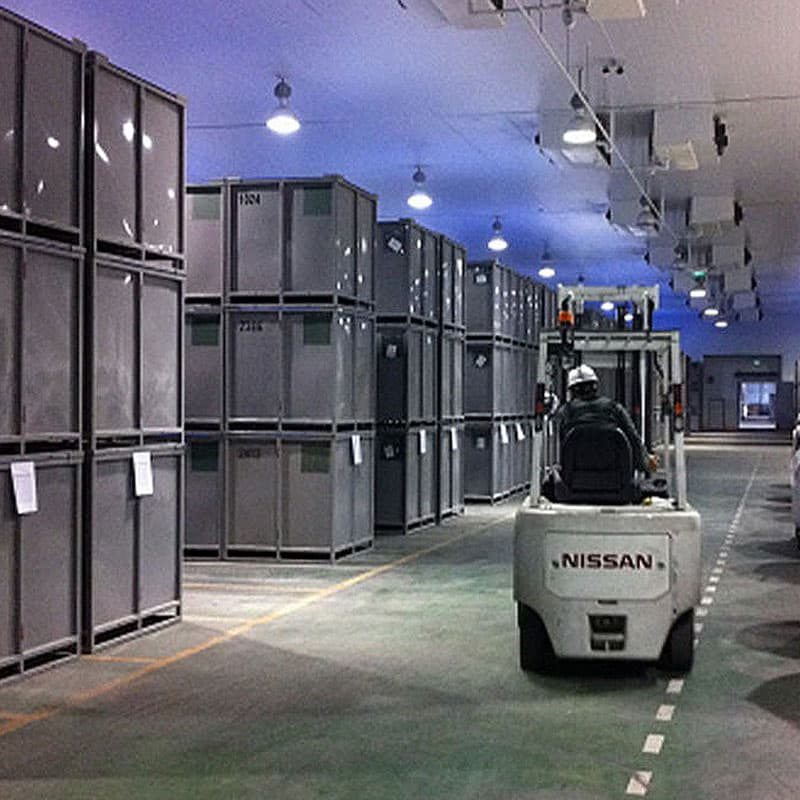
Layout should distinguish receiving, raw preparation, cooked product, packing, chilling, freezing, storage, and dispatch according to the food-safety plan. One-way movement can reduce cross-contamination. Doors and transfer openings should fit handling equipment without unnecessary open time.
Some fresh products are held close to 0°C under product-specific requirements, while frozen goods are commonly stored around -18°C or below according to regulation and customer specification. Air temperature is not product-core temperature, so sampling points and methods must be defined.
Cooling, freezing, and holding
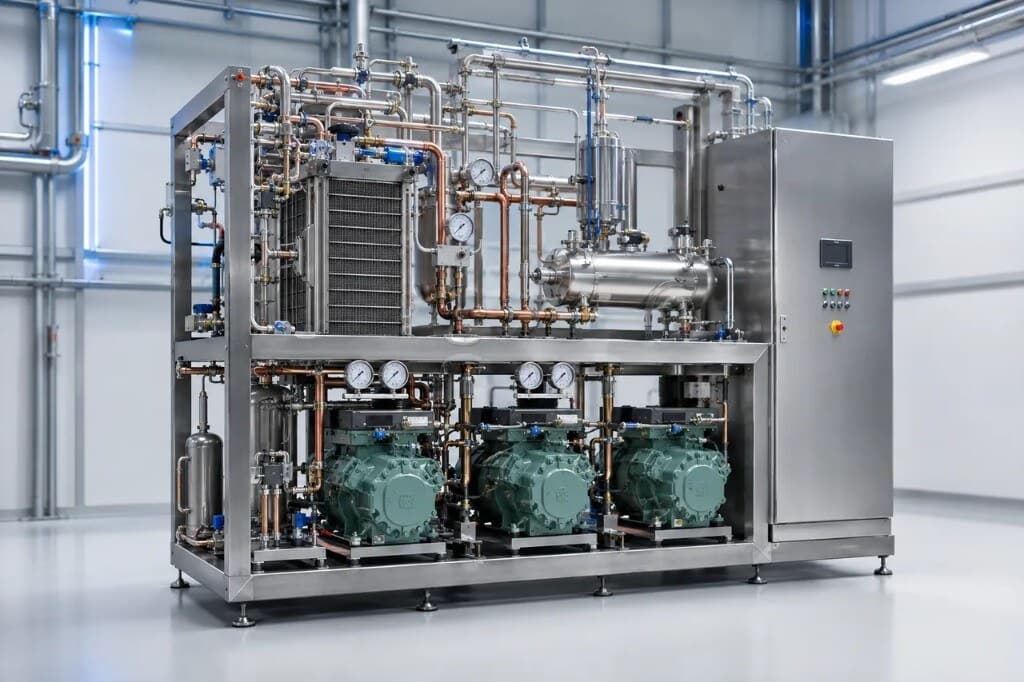
Calculate batch mass, initial condition, piece size, packaging, and required process time. A storage chiller may not have the duty of a post-cook chilling process, and a storage freezer should not be treated as a blast freezer without verification. After freezing, transfer product to stable storage with clear airflow and controlled dispatch exposure.
Hygienic construction
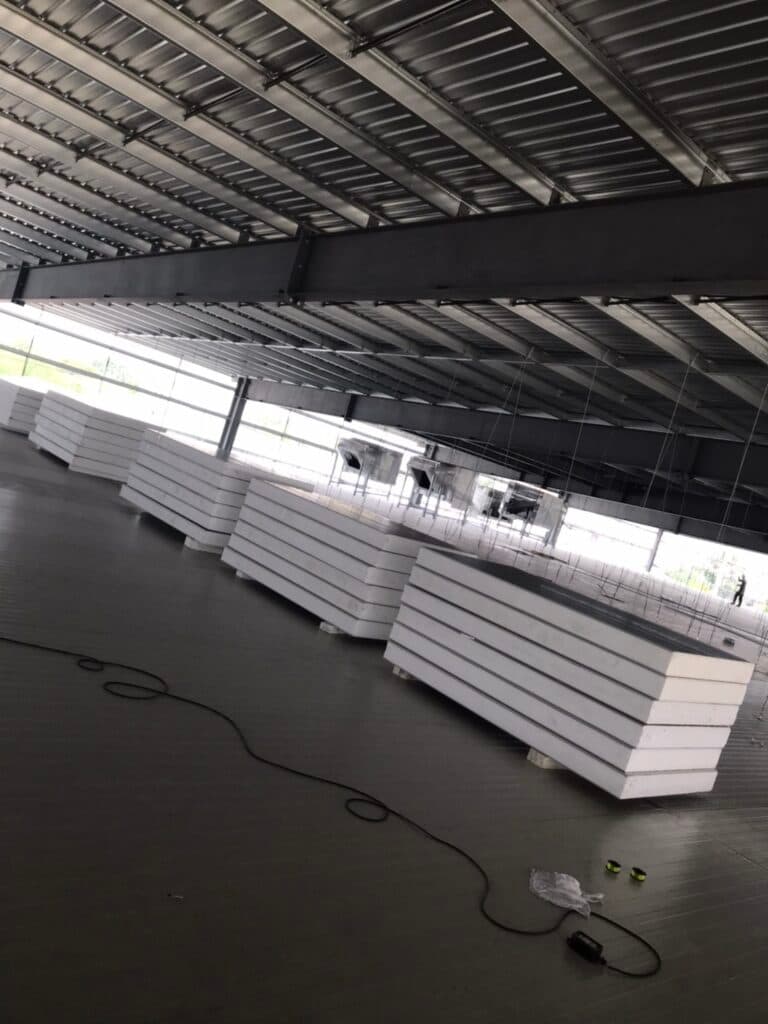
Walls and ceilings need cleanable surfaces and sealed joints compatible with cleaning chemicals. Floors require appropriate falls and drainage without persistent puddles. Equipment above exposed food should not drip condensate or corrosion. Evaporators must be accessible under a cleaning method that protects nearby products.
More water does not automatically mean better sanitation. Define chemical concentration, contact time, physical cleaning, rinsing, and verification. Electrical fittings and lights must suit wet, cold conditions.
Records, alarms, and continuity
Specify logging interval, alarm thresholds, delays, recipients, and corrective actions. Use calibrated instruments and retain calibration records. Link temperature data to lots, movement times, and door events.
Assess product value, likely repair time, available parts, and backup power. Separate circuits or standby capacity may be justified in some plants, but only after comparing risk and cost. Maintain a documented product-transfer and escalation plan before an outage occurs.
Plan the project with Intercooling
This article is an initial planning guide. Final temperature, equipment capacity, and budget depend on the product, loading pattern, site, and operating method. Explore our services and cold-room systems, review representative projects, or contact the engineering team to arrange a site survey. For temperature selection, also read chill rooms, freezers, and blast freezing compared.