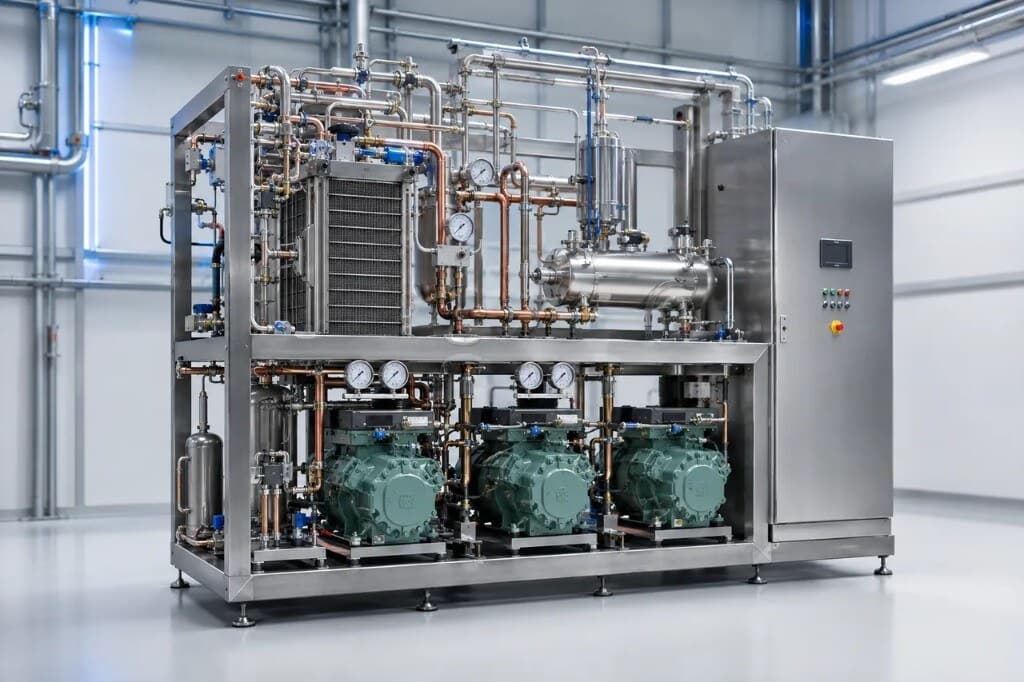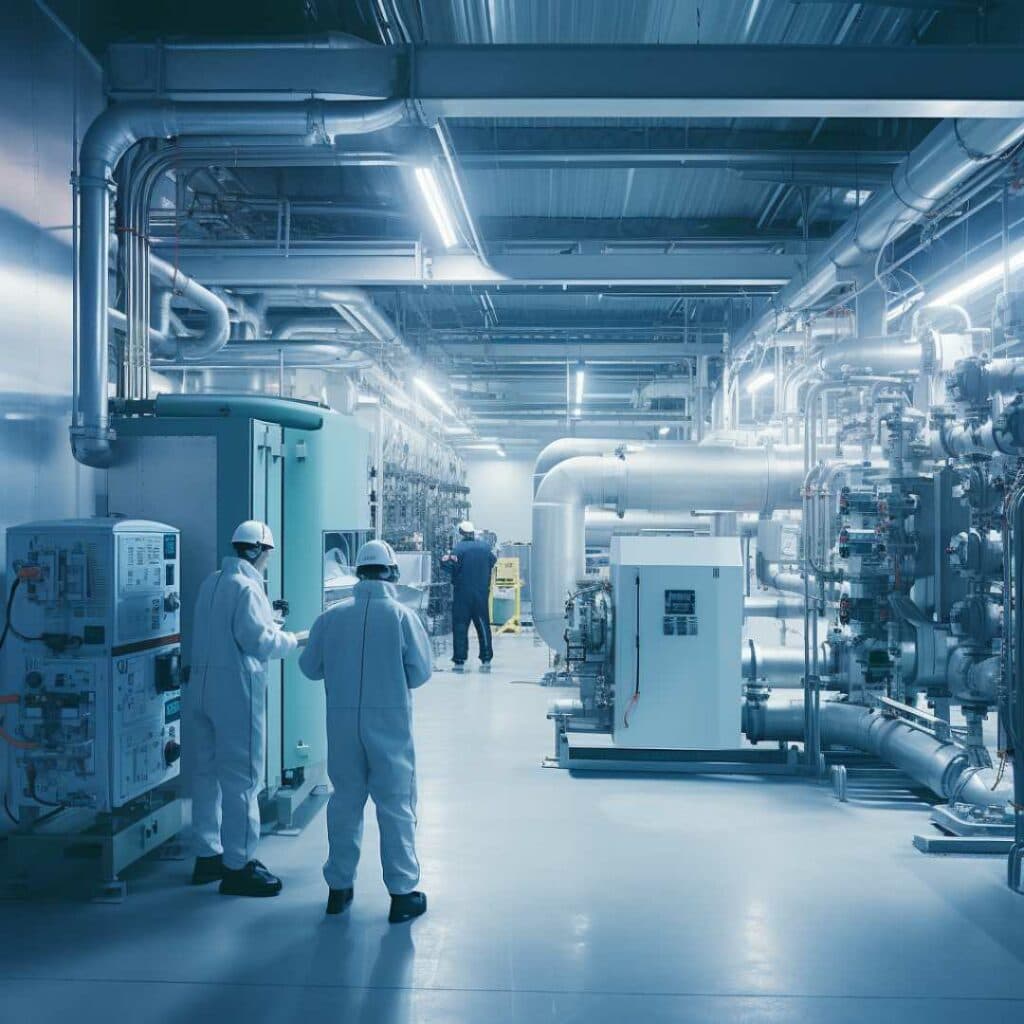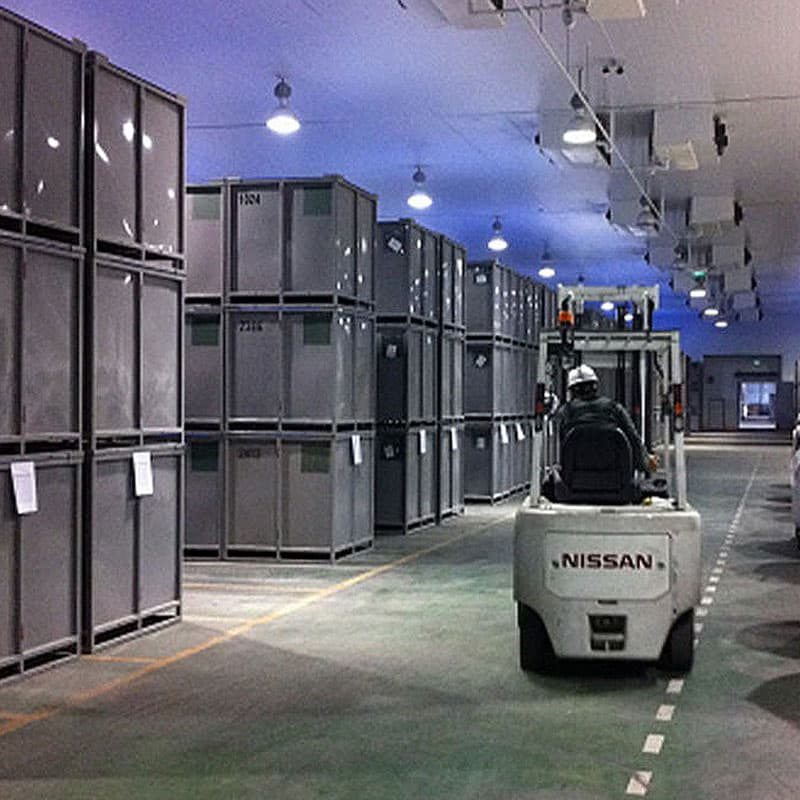
Cold-room maintenance protects product, safety, and efficiency; it should not begin only after temperature is lost. Trends in temperature, pressure, current, and runtime often reveal deterioration before a major stop.
Which checks can operators do?
Daily, compare the display with normal trends and look for unusual sound, vibration, water, frost, odour, or poor door closure. Record loading events and alarms rather than clearing them without a cause. Weekly, inspect gaskets, curtains, drains, and evaporator clearances and clean under the approved hygiene procedure. Operators should not adjust pressure protection or add refrigerant.
What should technician PM cover?
| Area | Typical checks |
|---|---|
| Compressor | Current, voltage, oil, temperature, sound, mounts |
| Condenser | Cleanliness, fans, recirculation, corrosion |
| Evaporator | Frost, fins, fans, heaters, tray, drain |
| Refrigerant circuit | Leak evidence and system-appropriate measurements |
| Electrical/control | Terminals, contactors, protection, sensors, alarms |
| Enclosure | Joints, seals, doors, floor, penetrations |
Frequency must reflect runtime, dust, salt, washdown, and product risk. One generic monthly schedule does not fit every site.
Which warning signs need action?
Longer pull-down, abnormal frost, short cycling, rising current, hot condensers, changed fan noise, or unexplained water warrant diagnosis. Refrigerant is not normally consumed; a low charge should lead to lawful leak detection and repair before topping up.
Safe cleaning and records
Use chemicals compatible with panels and coils. Isolate energy and protect motors, electrical boxes, and sensors. Never chip ice from fins; correct defrost operation instead. High-pressure water can fold fins and force moisture into panel joints.
Keep searchable records of temperature, runtime, current, alarms, repairs, parts, and refrigerant. Compare before and after PM against commissioning baselines and retain calibration evidence.
Emergency plan
Define alarm recipients, decision authority, backup power, transfer space, and service contacts. Product groups have different tolerances, so response limits should come from the quality plan. During an outage, avoid repeatedly opening doors merely to inspect the room.
Plan the project with Intercooling
This article is an initial planning guide. Final temperature, equipment capacity, and budget depend on the product, loading pattern, site, and operating method. Explore our services and cold-room systems, review representative projects, or contact the engineering team to arrange a site survey. For temperature selection, also read chill rooms, freezers, and blast freezing compared.